Relief in Reach: How Massage Therapy Helps Ease Back Pain
How Massage Therapy Helps Back Pain
Relief in Reach: How Massage Therapy Helps Ease Back Pain
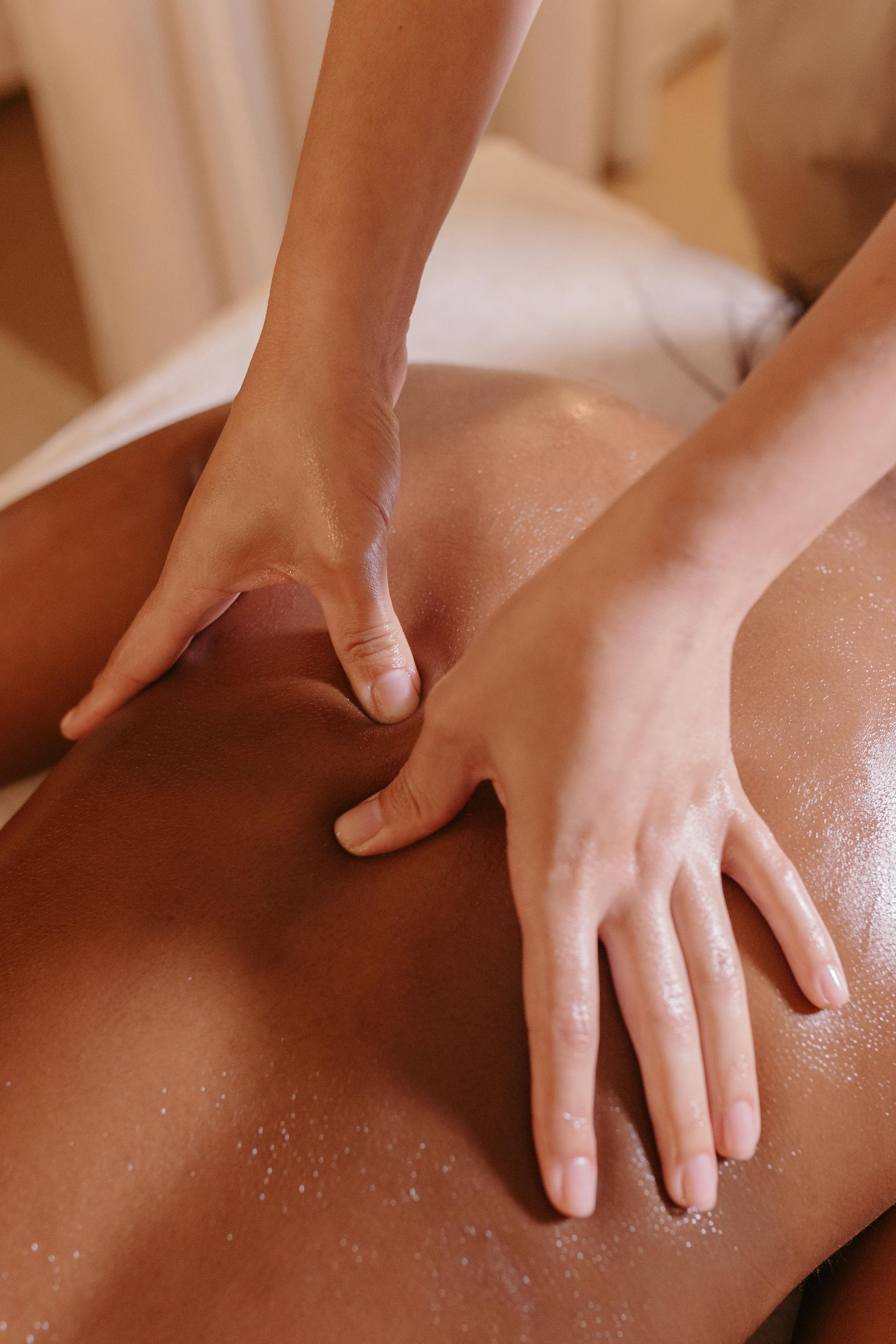
Back pain is one of the most common reasons people seek medical care, miss work, or struggle with daily activities. Whether it comes from long hours at a desk, heavy lifting, stress, or aging, the discomfort can feel relentless. The good news: massage therapy has become one of the most effective, natural, and accessible ways to manage and reduce back pain.
Why Back Pain Happens
Back pain isn’t just “one thing.” It can come from multiple sources, including:
- Muscle tension — often caused by stress, poor posture, or overuse
- Herniated or bulging discs — when spinal discs press on nerves
- Sciatica — nerve pain radiating down the leg
- Inflammation — from injury or chronic conditions
- Postural imbalance — especially common in desk workers
Understanding the root cause helps determine the right massage approach.
How Massage Therapy Helps Back Pain
Massage therapy doesn’t just “feel good”—it creates measurable physical changes in the body.
1. Reduces Muscle Tension
Massage increases blood flow and warms the tissue, helping tight muscles relax. This reduces stiffness and improves mobility.
2. Improves Circulation
Better circulation means more oxygen and nutrients reach injured tissues, speeding up healing.
3. Releases Endorphins
Massage triggers the release of natural pain‑relieving chemicals, reducing discomfort without medication.
4. Breaks Up Adhesions
Chronic tension can create “knots” or adhesions. Massage helps break them down, restoring normal movement.
5. Calms the Nervous System
Stress and pain feed each other. Massage activates the parasympathetic nervous system, lowering stress hormones and easing pain.
Best Massage Techniques for Back Pain
Different types of massage target different causes of pain. Here are the most effective ones:
1. Swedish Massage
Gentle, relaxing, and ideal for stress‑related tension.
Great for: beginners, chronic stress, mild pain.
2. Deep Tissue Massage
Targets deeper layers of muscle and fascia.
Great for: chronic knots, stiffness, long‑term pain.
3. Trigger Point Therapy
Focuses on painful “knots” that refer pain to other areas.
Great for: sharp, localized pain.
4. Myofascial Release
Stretches and loosens the fascia (connective tissue).
Great for: mobility issues, chronic tightness.
5. Hot Stone Massage
Heat relaxes muscles and improves circulation.
Great for: tension from stress or cold environments.
If you want, I can create a
comparison chart of these techniques:
→ Massage technique comparison
Self‑Care Tips to Support Massage Therapy
Massage works best when paired with daily habits that protect your back.
- Stretch daily — especially hamstrings, hip flexors, and lower back
- Strengthen your core — weak core = overworked back
- Improve posture — especially if you sit for long periods
- Use heat therapy — great before stretching or massage
- Stay hydrated — muscles recover faster when hydrated
When to See a Professional
Massage is safe for most people, but you should consult a doctor or physical therapist if you experience:
- Numbness or tingling
- Pain radiating down the