Reflexology for Stress Relief: How It Works & Why It Helps
Key Benefits of Reflexology for Stress Relief
Reflexology for Stress Relief: How It Works & Why It Helps
Reflexology has become one of the most trusted natural methods for easing stress, calming the mind, and restoring balance. By applying gentle pressure to specific points on the feet, hands, or ears, reflexology activates the body’s relaxation pathways—helping you unwind both physically and emotionally.
This blog explores the science, benefits, and real-world impact of reflexology for stress relief, drawing from multiple expert sources.
What Is Reflexology?
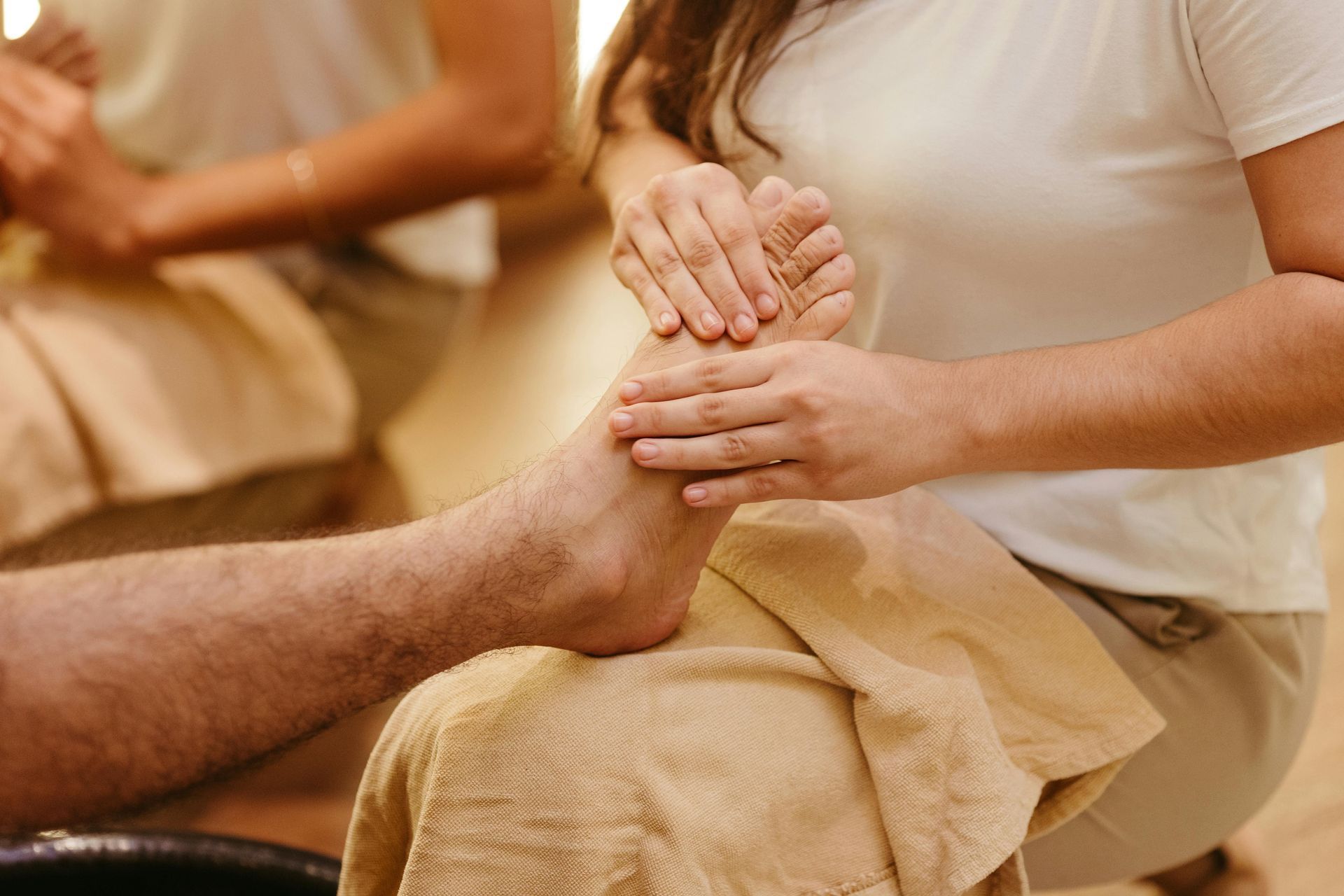
Reflexology is a therapeutic technique that uses pressure on mapped reflex points connected to organs, glands, and body systems. Stimulating these points helps restore balance, improve energy flow, and activate the parasympathetic nervous system—the body’s natural “rest and digest” mode.
Key Benefits of Reflexology for Stress Relief
1. Deep Relaxation
Reflexology triggers the body’s natural relaxation response, lowering stress hormones and creating a sense of calm. This shift helps counteract chronic “fight or flight” activation.
2. Cortisol Regulation
High cortisol is linked to anxiety, tension, and poor sleep. Regular reflexology sessions help balance cortisol levels, reducing stress and improving emotional well‑being.
3. Improved Mood & Emotional Balance
Reflexology stimulates the release of endorphins and other mood-enhancing chemicals, helping reduce anxiety, depression, and emotional overwhelm.
4. Better Sleep Quality
By calming the nervous system and easing mental tension, reflexology supports deeper, more restorative sleep—especially helpful for stress-related insomnia.
5. Muscle Tension Release
Stress often shows up as tight shoulders, stiff muscles, or headaches. Reflexology helps release physical tension by improving circulation and relaxing the body.
6. Nervous System Reset
Reflexology shifts the body out of chronic stress mode and back into normal functioning, helping break cycles of anxiety and overwhelm.
How Reflexology Reduces Stress (The Science)
Reflexology works through the nervous system. Pressure on reflex points sends signals to the brain, which responds by:
- Activating the parasympathetic nervous system
- Lowering heart rate and blood pressure
- Releasing endorphins
- Reducing cortisol
- Improving circulation
These physiological changes create a measurable reduction in stress and anxiety.
Reflexology for Sleep, Energy & Burnout
Chronic stress often leads to burnout, fatigue, and sleep disruption. Reflexology helps by:
- Supporting adrenal gland balance
- Improving sleep patterns
- Reducing muscle tension
- Enhancing mental clarity and energy
Clients often report feeling calmer for hours or days after a session.
Additional Stress-Relief Benefits
Reflexology can also help alleviate:
- Tension headaches
- Digestive issues
- Muscle fatigue
- Anxiety-related physical symptoms
By stimulating reflex points, the therapy soothes the nervous system and restores inner balance.
Final Thoughts
Reflexology is more than a relaxing foot treatment—it’s a powerful, science-supported method for reducing stress, improving mood, and restoring balance in the body. Whether you’re dealing with daily tension, chronic stress, or burnout, reflexology offers a gentle, natural path to relief.